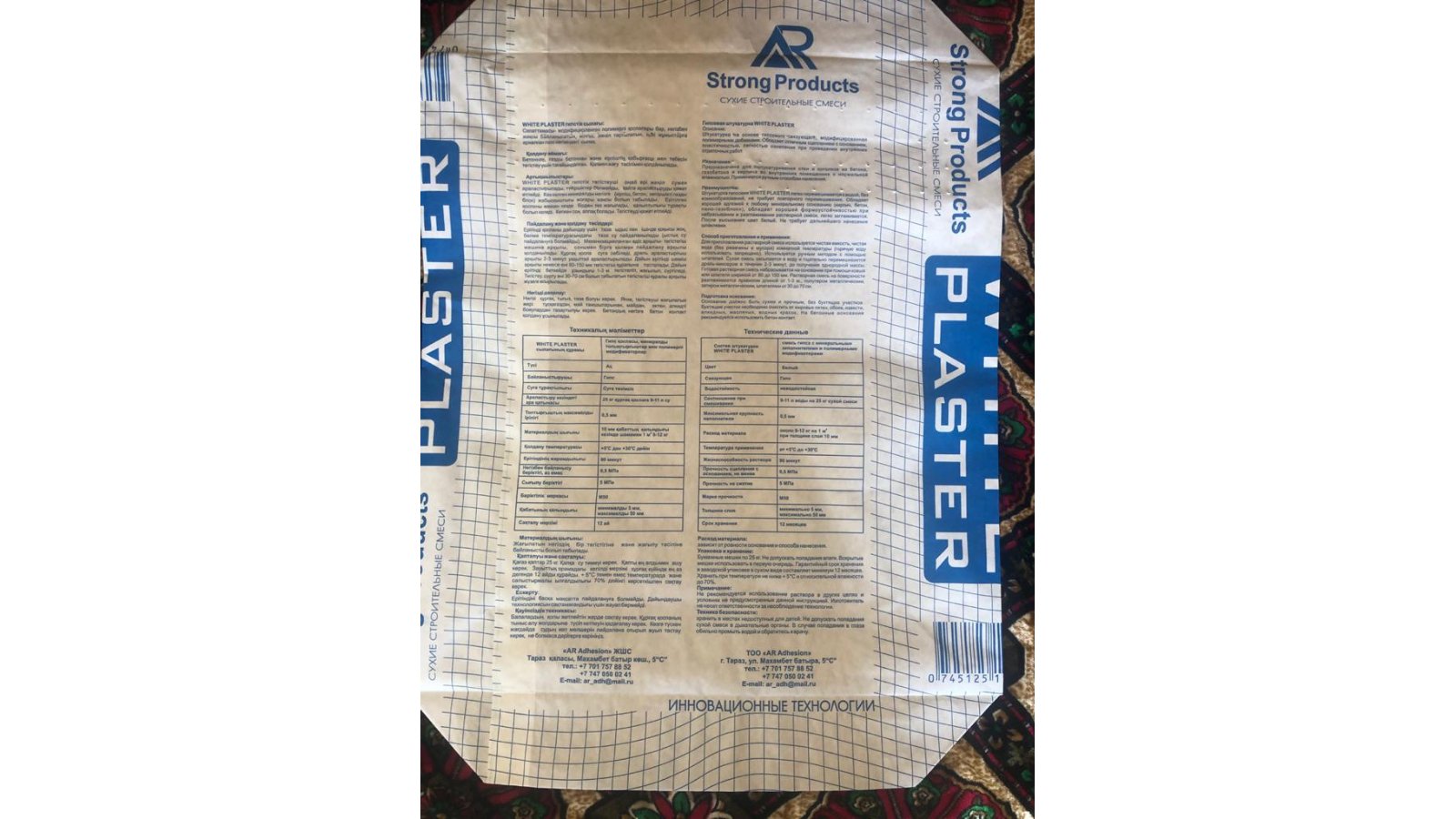
Dry building mixes
Description
Dry building mixes (DBM) are powdered auxiliary materials based on mineral binders, graded aggregates, and functional chemical additives. The mixes are manufactured in factories, dosed with high precision, and supplied in sealed bags. For application, they simply need to be mixed with water in a strictly defined ratio.
Classification by Binder Type
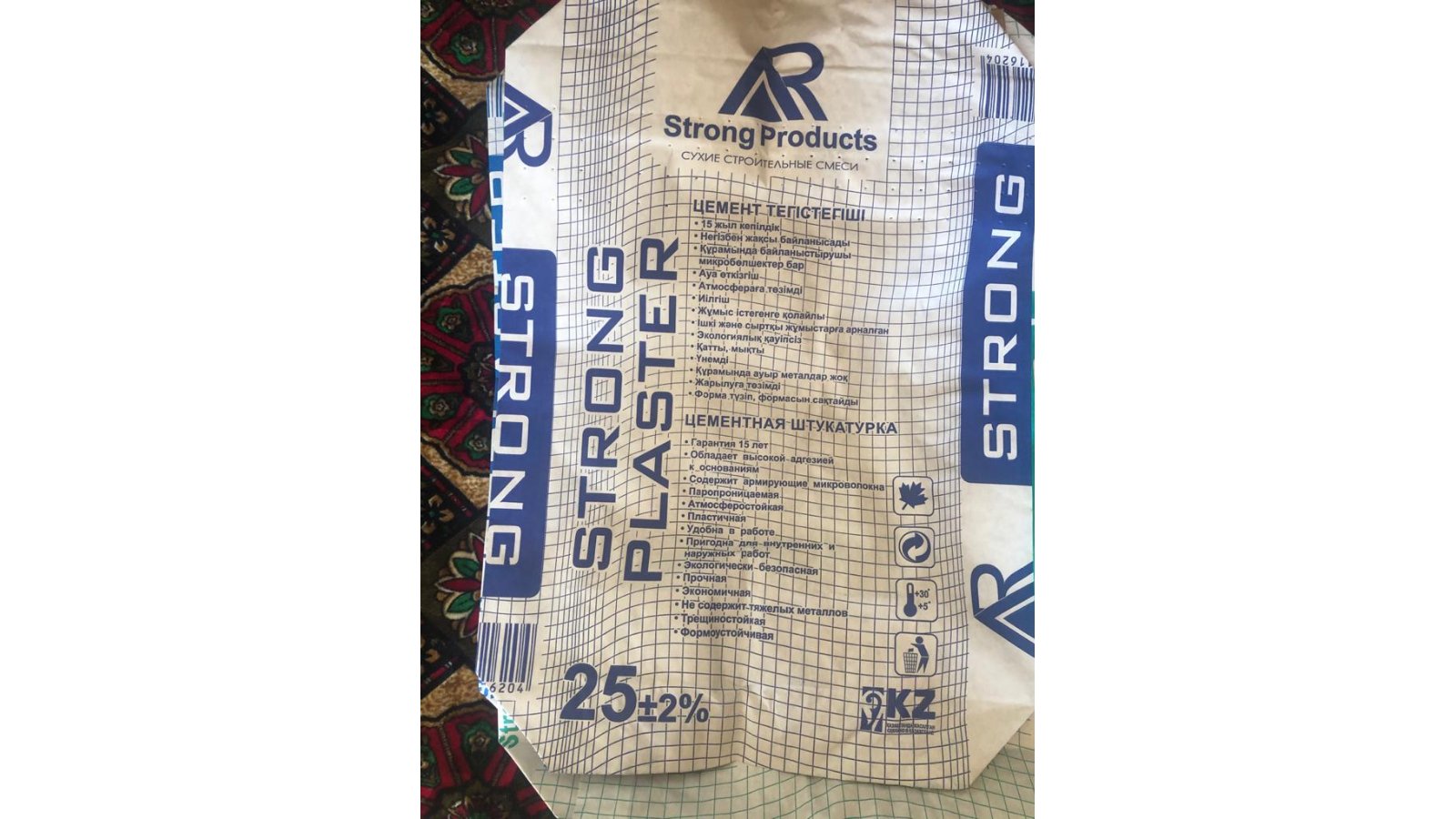
• Cement Mixes: Based on Portland cement, they are characterized by high strength, moisture resistance, and frost resistance. They are used for exterior work, facades, basements, and wet areas (bathrooms, swimming pools).
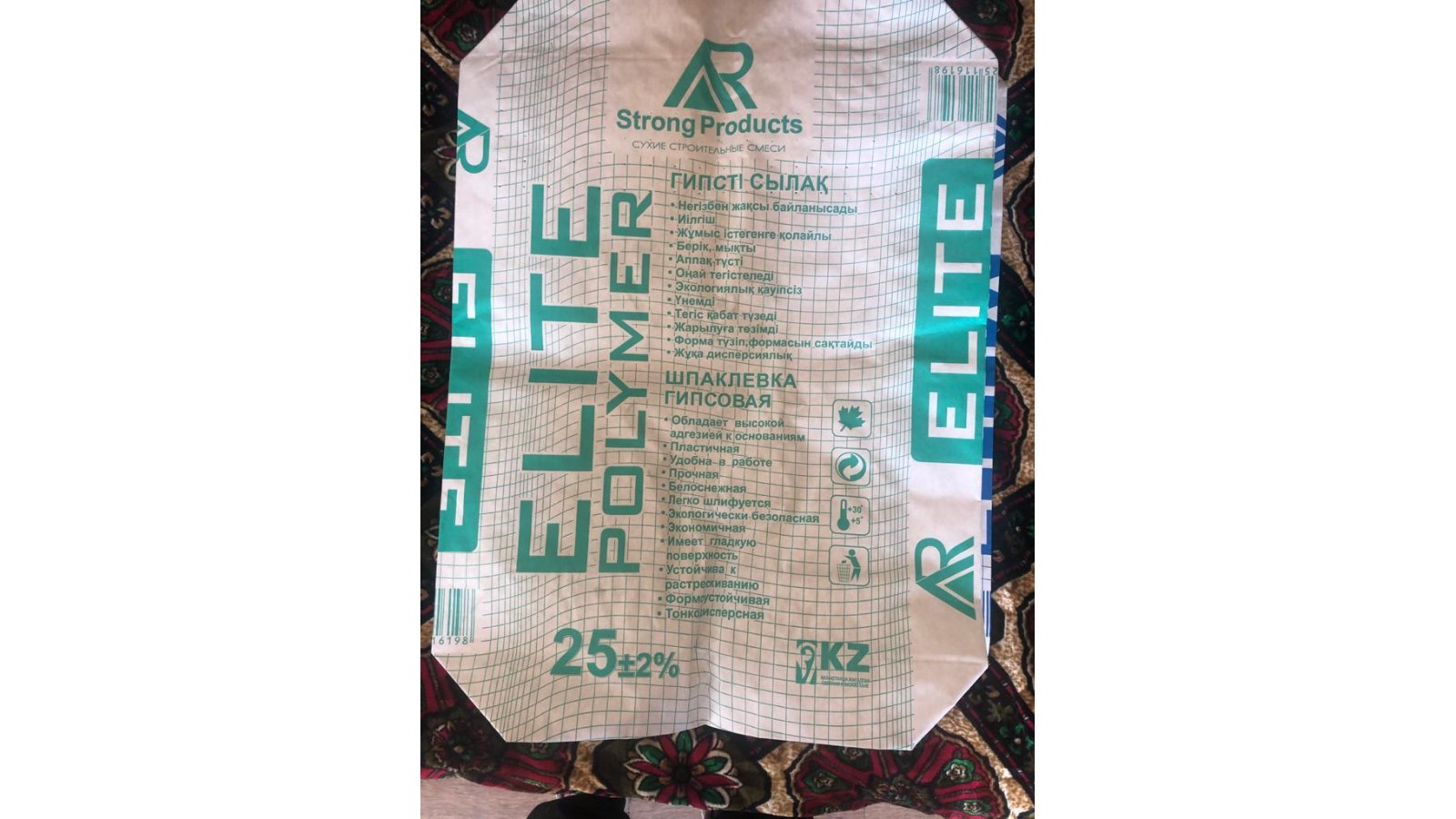
• Gypsum Mixes: Based on building gypsum. They dry quickly, are flexible, create a smooth surface, and regulate the indoor microclimate. They are used exclusively for interior finishing in dry rooms.
• Polymer Mixes: Contain acrylic or latex components. They possess maximum elasticity and ultra-fine grinding. They are used for finishing puttying and filling microcracks.
Main types of dry mix mortars by purpose
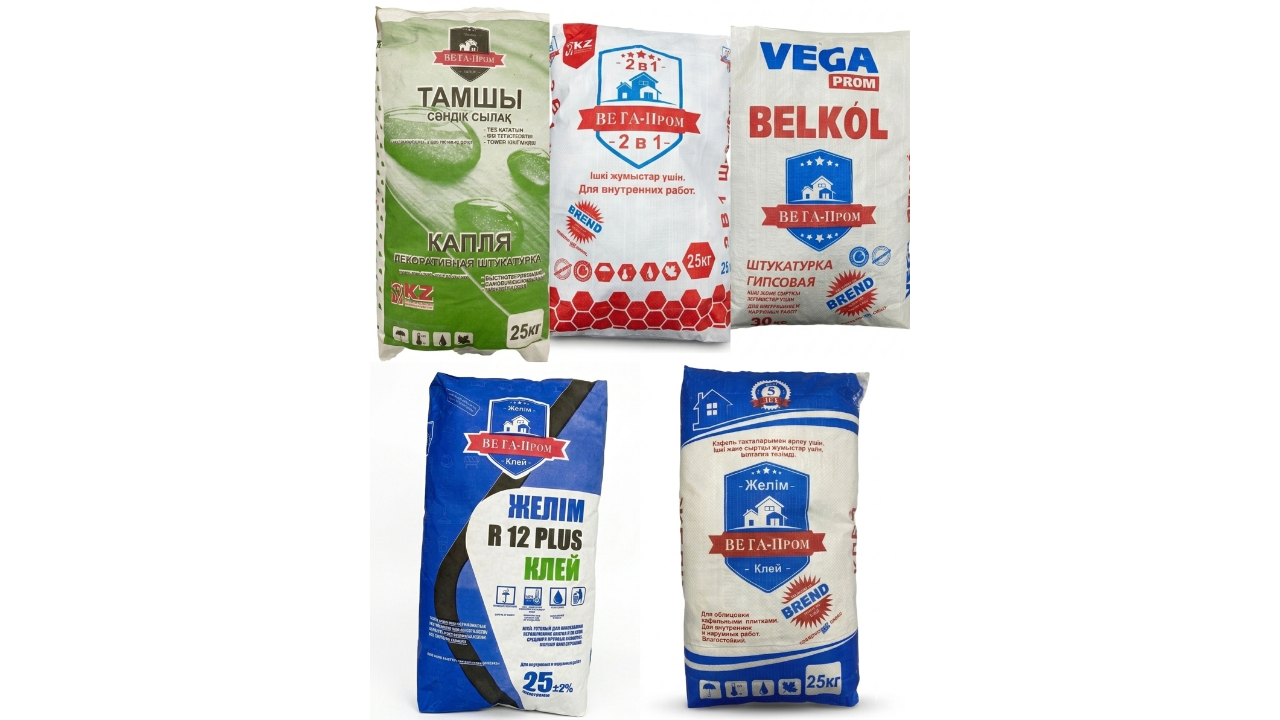
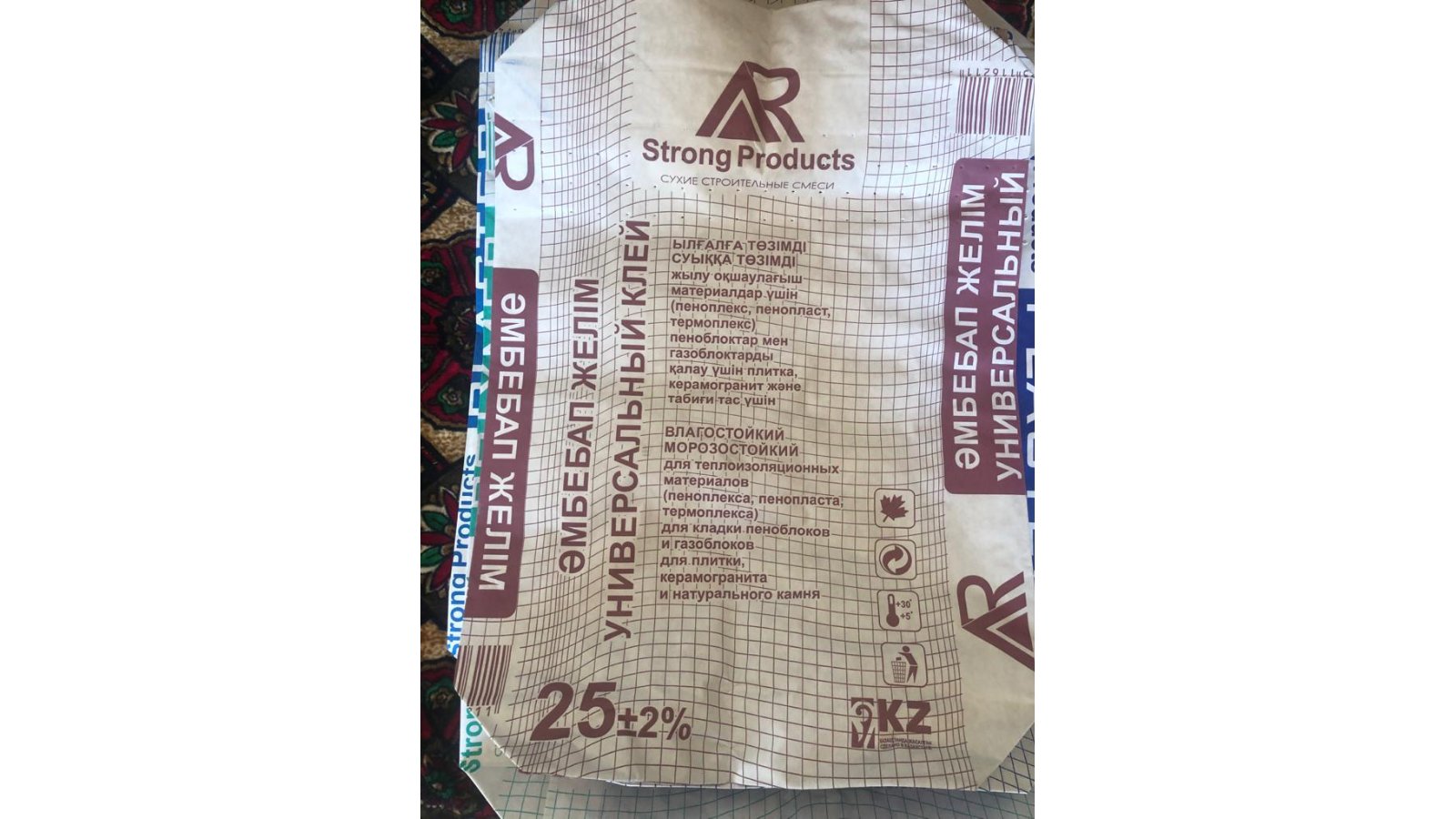
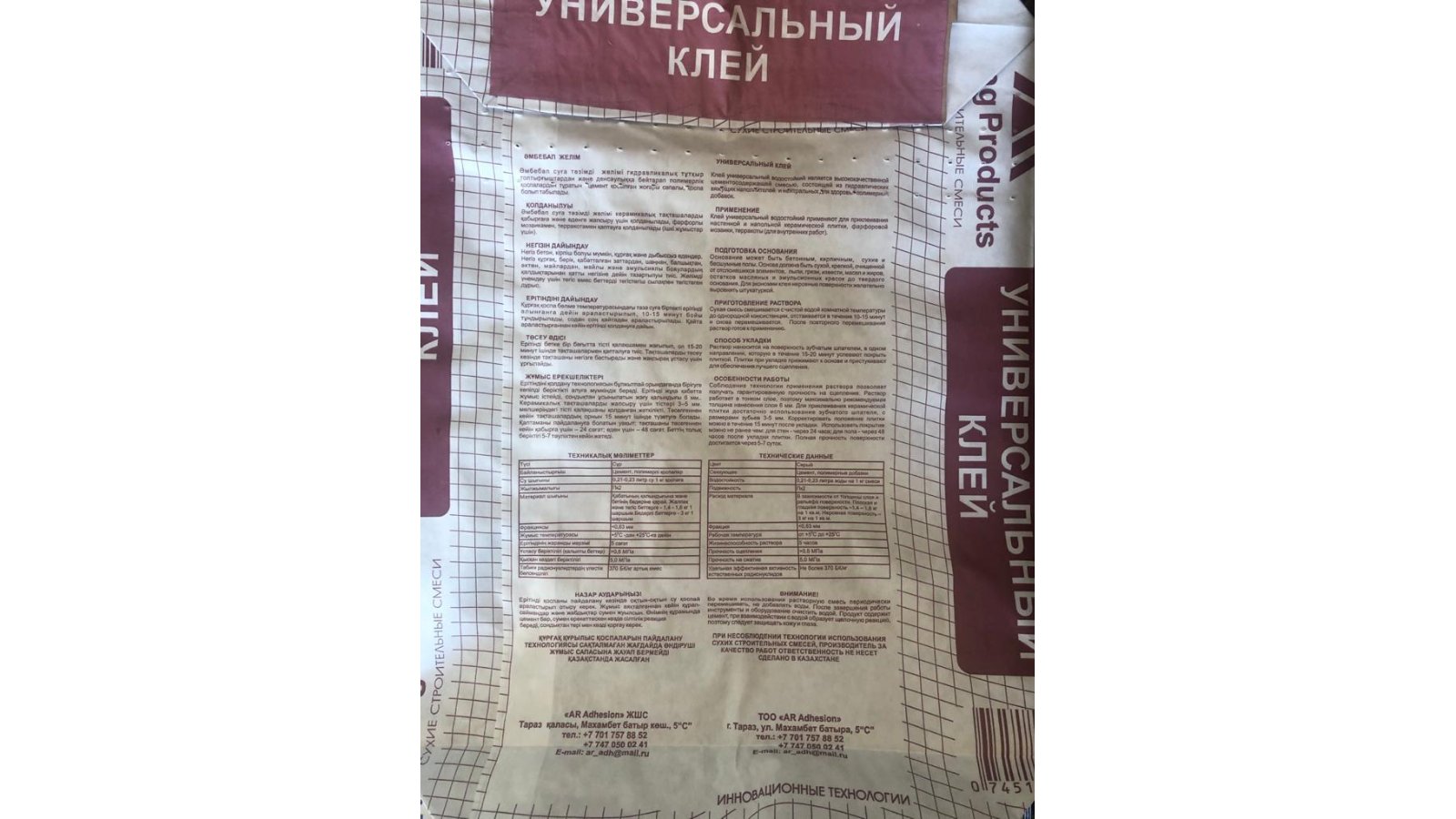
• Tile adhesives: Specialized compounds for installing ceramics, porcelain tiles, marble, and mosaics with high slip resistance.
• Plasters: Thick-layer compounds for rough leveling of walls, ceilings, and facades, as well as creating a heat- and sound-insulating layer.
• Putties: Thin-layer paste-like mixtures for the final removal of minor defects and preparing walls for painting or wallpapering.
• Self-leveling floors and screeds: Self-leveling mortars for creating a perfectly flat horizontal base for finishing coatings (laminate, linoleum, parquet).
• Masonry mortars: Mixes for constructing walls from brick, sand blocks, or aerated concrete, often containing thermal insulation additives.
Technological advantages of use
• Stable composition: Factory dosing eliminates the risk of component misproportions, unlike manual mixing of sand and cement on the construction site.
• High adhesion: Modifying polymers in the composition ensure reliable adhesion of the mortar to concrete, brick, and gypsum surfaces.
• Convenience and cleanliness: The mixtures are easy to transport, take up less space during storage, and minimize construction waste.
• Cost-effectiveness: Accurate calculation of material consumption per square meter allows you to purchase exactly the required number of bags without excess.
• Plasticity: Ready-to-use mortars retain their pot life in containers for a long time and are easy to apply and level with tools.